BJJ Gyms in Tokyo
Tokyo hosts an extensive network of 178 Brazilian Jiu-Jitsu gyms, reflecting the city's vibrant martial arts culture. Among these, several stand out for their perfect 5.0 ratings and substantial review counts, including the Kodokan Judo Institute with 500 reviews, Puma Toguchi Boxing Gym with 203, and CARPE DIEM BRAZILIAN JIU-JITSU HIROO with 162. The presence of judo affiliations further enriches the training opportunities available across the city's BJJ community.
Cities in Tokyo
BunkyoChofuKatsushikaTokyoあきる野市三鷹市世田谷区中野区八王子市北区千代田区台東区品川区墨田区大田区文京区新宿区杉並区板橋区武蔵野市江戸川区江東区渋谷区港区町田市目黒区練馬区荒川区葛飾区調布市豊島区足立区
Top Rated Academies
178 academies listed in this state.

Kodokan Judo Institute
Bunkyo, Tokyo
Judo, Traditional practice, Competition, and Kata define the focus of Kodokan Judo Institute in Bunkyo, Tokyo, Japan. Affiliated with Judo, the record brings together a discipline centered on grappling with traditional and kata-oriented categories, giving the setting a clear connection between formal forms and competitive emphasis. For someone beginning to explore Judo, those labels indicate a martial-arts focus that can be understood through both its traditional framework and its competitive side; for a competitor, they signal that Competition is explicitly part of the listed focus. Multiple Dojos, Museum, Accommodation, and Showers are listed amenities, each adding a distinct named feature to the record without implying anything beyond the supplied labels. The price range is marked $$, and the Bunkyo location places this Judo-focused institute in Tokyo, Japan.
Puma Toguchi Boxing Gym
Tokyo, Tokyo
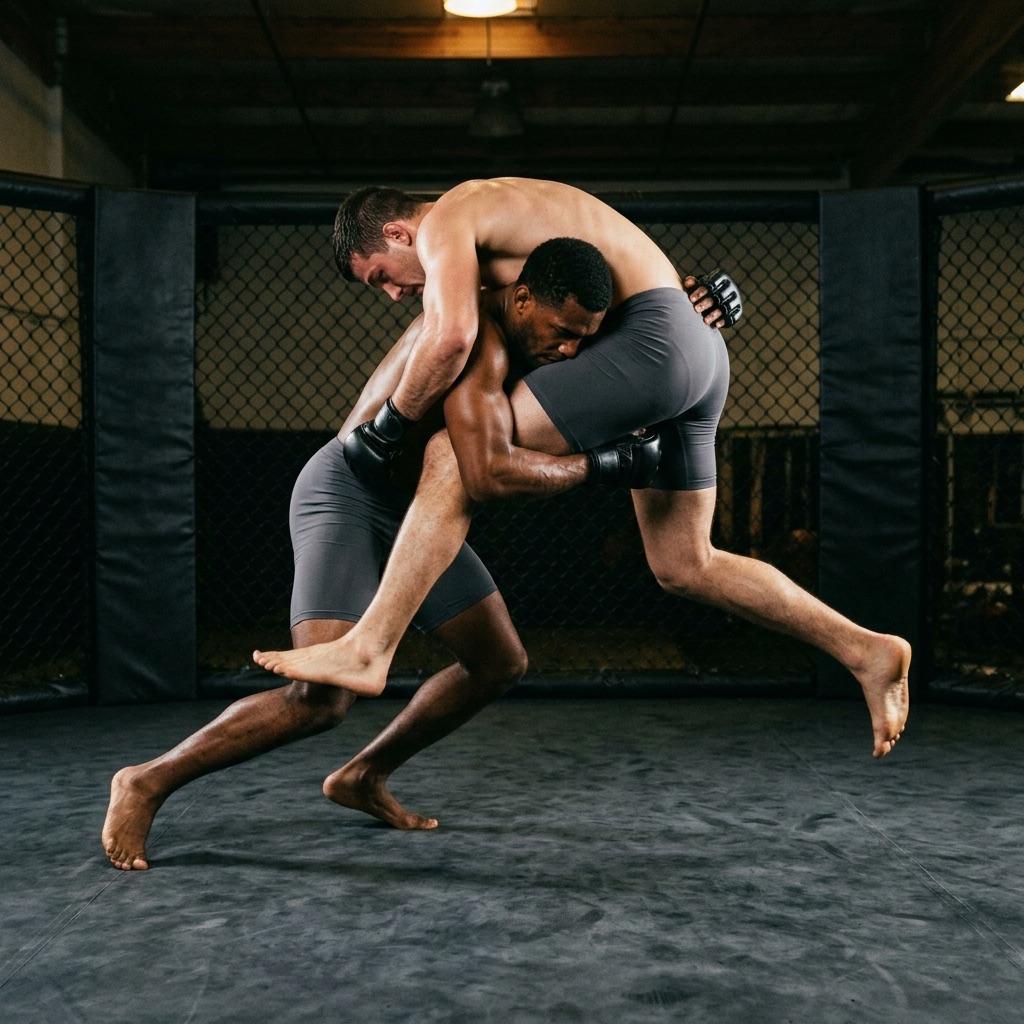
MMA and No-Gi define the listed focus of Puma Toguchi Boxing Gym, creating a record centered on two complementary combat-sport categories. Located in Tokyo, Tokyo, Japan, it carries the supplied $$ price-range symbol. MMA is a broad mixed martial arts category that brings together stand-up and grappling contexts, while No-Gi identifies grappling without the traditional gi garment. For a beginner, those labels clearly distinguish a mixed-discipline and no-gi-oriented direction from a single-style listing; for a competitor, they identify categories commonly considered across mixed-rules and no-gi grappling settings. The combination gives Puma Toguchi Boxing Gym a specific profile within Tokyo: MMA and No-Gi are both named directly, and $$ remains the record’s stated relative price category.

CARPE DIEM BRAZILIAN JIU-JITSU HIROO
Tokyo, Tokyo
CARPE DIEM BRAZILIAN JIU-JITSU HIROO is located in Tokyo, Tokyo, Japan. It offers MMA and No-Gi training. The gym is in the $$ price range.

Kyoei Boxing Gym
Tokyo, Tokyo
Kyoei Boxing Gym is located in Tokyo, Tokyo, Japan. The gym offers training in Boxing and Striking. The price range is $$.
YAWARA JIU-JITSU ACADEMY
Tokyo, Tokyo
YAWARA JIU-JITSU ACADEMY is located in Tokyo, Tokyo, Japan. It offers training in both Gi and No-Gi Brazilian Jiu-Jitsu. The gym is in the $$ price range.
TRI-FORCE Higashinakano
Tokyo, Tokyo
TRI-FORCE Higashinakano pairs Gi and No-Gi as its listed martial-arts focus in Tokyo, Tokyo, Japan, making the contrast between those two grappling categories its clearest distinction. Gi refers broadly to grappling practiced with the traditional uniform, while No-Gi identifies the corresponding category without that garment, so the record spans both stated approaches. For someone comparing discipline labels, this combination signals a profile that is not limited to only one of the two listed grappling formats. The price range is $$, the supplied relative category for TRI-FORCE Higashinakano in Tokyo, Tokyo, Japan. Its identity is consequently defined by Gi and No-Gi together, with the location and $$ marker providing the remaining listed context. Nothing further needs to be presumed to understand the record as a Tokyo martial-arts listing organized around these two complementary categories.

ARTA BRAZILIAN JIU-JITSU MITA
Tokyo, Tokyo
ARTA BRAZILIAN JIU-JITSU MITA in Tokyo, Tokyo, Japan offers training in Gi and No-Gi Brazilian Jiu-Jitsu. The gym is in the $$ price range.
今成柔術 Imanari Jiu Jitsu
Tokyo, Tokyo
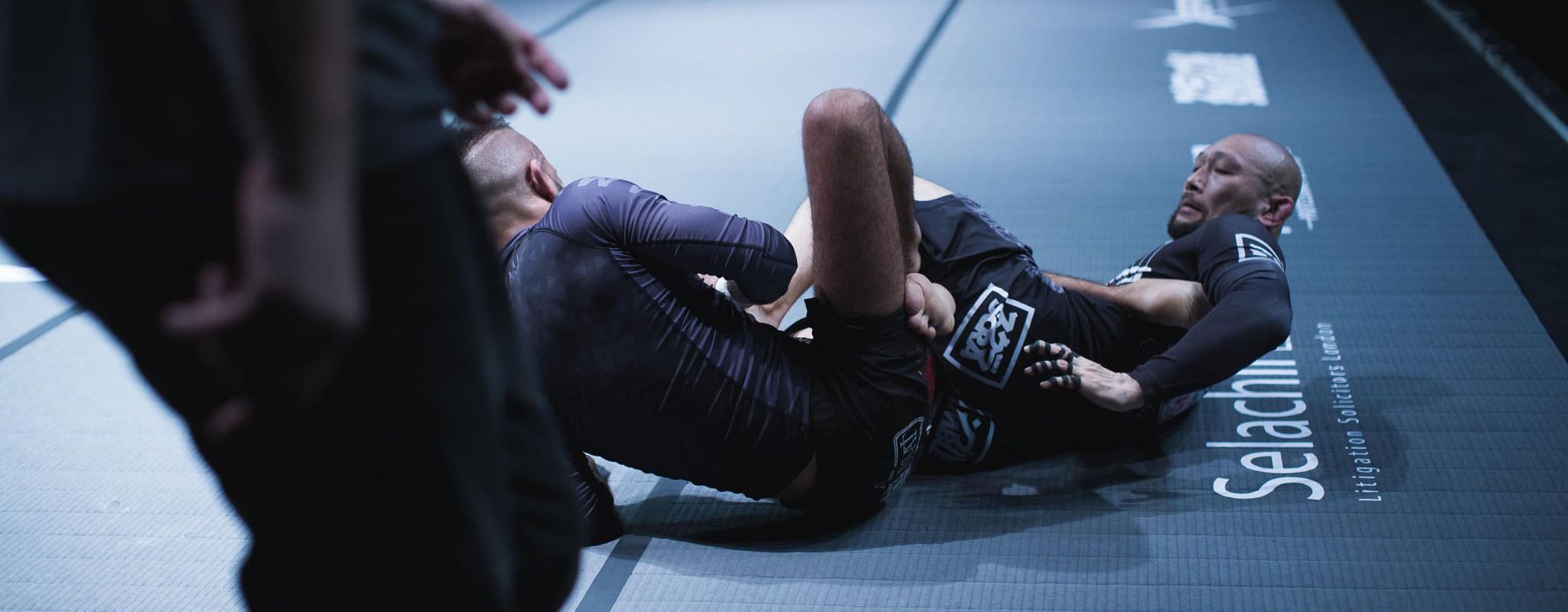
Gi and No-Gi give 今成柔術 Imanari Jiu Jitsu a dual grappling focus in Tokyo, Tokyo, Japan, with both disciplines explicitly listed. Gi identifies the gi as part of the stated discipline mix, while No-Gi identifies the complementary no-gi side of that same mix. For a beginner, these two labels broadly distinguish grappling categorized with the gi from grappling categorized without it, without suggesting any particular format or approach. For a competitor, the paired focus makes it possible to recognize that both Gi and No-Gi are central categories for this named martial-arts record. 今成柔術 Imanari Jiu Jitsu carries the supplied $$ price-range symbol, and Tokyo, Tokyo, Japan is the exact location associated with the record’s listed discipline mix.
Tokyo Boxing Club
Tokyo, Tokyo
Tokyo Boxing Club is located in Tokyo, Tokyo, Japan. It offers training in MMA and No-Gi disciplines. The gym is in the $$ price range.

Royce Gracie Jiu-jitsu Academy Tokyo
Tokyo, Tokyo
Royce Gracie Jiu-jitsu Academy Tokyo is located in Tokyo, Tokyo, Japan. The gym offers training in both Gi and No-Gi Brazilian Jiu-Jitsu. It is in the $$ price range.
Life Jiu Jitsu Academy (旧ALMA FIGHT GYM LIFE)
Tokyo, Tokyo
Life Jiu Jitsu Academy (旧ALMA FIGHT GYM LIFE) is located in Tokyo, Tokyo, Japan. It offers training in MMA and No-Gi disciplines. The gym is in the $$ price range.

新桥拳击俱乐部
Tokyo, Tokyo
Boxing and striking are the defining martial-arts categories for 新桥拳击俱乐部 in Tokyo, Tokyo, Japan. The listed focus combines boxing’s specific stand-up combat identity with the broader striking label, giving the record a clearly stand-up-oriented profile. For a beginner or competitor considering disciplines at a broad level, boxing represents a distinct combat-sport framework, while striking describes the wider emphasis on stand-up engagement. That pairing distinguishes this Tokyo record from entries centered on grappling or mixed-discipline labels. 新桥拳击俱乐部 is also marked with a $$ price-range symbol, preserving the supplied relative price category without adding a monetary interpretation. In concise terms, the record presents a Tokyo, Japan martial-arts gym categorized under boxing and striking, with the listed $$ price range completing its profile.